


Empires & Puzzles: Match-3 RPG
4.597.86K Reviews
App Specs
- Version
- 88.0.0
- Updated On
- License
- Free
- Downloads
- 50,000,000+
- Developer
- Small Giant Games
- Categories
- Puzzle
- Platform
- Android, iOS
Screenshots
 Analysis by AppCompare
I would start by asking what I want from a puzzle game beyond matching tiles. If I only want a quick, self-contained board to clear, a traditional match-3 game is the simpler choice. Empires & Puzzles: Match-3 RPG makes each move part of a larger loop: matches send attacks into battles, heroes need to be developed, and a home base gives resources a purpose. That extra structure is the main reason I would choose it—and also the reason it asks for more attention than a casual puzzle.
Choose it for the layers, not just the puzzle
The match itself is easy to understand, but I get more out of it when I treat the board as a tactical resource. A move can create damage, help charge a hero, or leave a less useful arrangement for the next turn. I try to consider the enemy lineup and the colors in my own team before making an obvious match. That small pause is where this game feels different from a puzzle that only rewards clearing the most tiles.
There is a second decision running alongside combat: how much time I want to spend improving the team and base. Small Giant Games has made a puzzle game with RPG and empire-building layers, so progress is not limited to winning the current board. If I enjoy collecting, upgrading and gradually finding a team that suits my approach, those layers give me reasons to return. If I would rather finish a level and move on without managing a roster, they may feel like chores.
Where its mixed format earns its place
Many match-3 alternatives keep the focus on short puzzle stages, while many RPG alternatives put most of their emphasis on character development or combat. This game sits between those familiar approaches. I like that I can think through a board and then see the result expressed through my heroes, rather than switching to an unrelated puzzle mode. The combination gives routine matches a clear purpose, while team choices make later encounters feel less interchangeable.
That blend suits someone who likes gradual progress more than a one-and-done challenge. Building up a roster can give me a reason to revisit an encounter with a better lineup or a different plan. It also means the game may be a poor fit if I want every session to feel fully self-contained. Progress systems add motivation, but they can make a simple puzzle feel tied to a longer commitment.
A practical way to play without turning it into a project
For an ordinary day, I can imagine opening it while waiting for an appointment, playing a few battles, then leaving the longer decisions for later. When I have more time, I can focus on the base and hero development instead. That split is useful: I do not need to treat every visit as a marathon, but I should expect the game to offer ongoing goals rather than a clean finish after a handful of boards.
One useful habit is to pause before spending effort on a new hero simply because it looks exciting. I would first compare its role with what my current team already does, then consider whether I have the resources and materials to develop it. A varied collection is appealing, but a roster is only helpful when the heroes are strong enough and work well together. This is a more deliberate approach than chasing every new addition.
Worth Reading Before You Choose

EA SPORTS FC Mobile 26 Is a Bigger Football Game, but It Takes Time

Flipboard Shows What News Apps Must Do Beyond the Feed

Switching to Android Auto Means Rethinking Your Driving Routine

Google Calendar Makes a Crowded Week Easier to Manage

Ludo King Makes the Most of the Minutes Between Plans

Baby Panda World Brings Quick Play to Modern Phones, but Its Game Library Feels Busy
I would also use losses as information instead of repeating the same moves automatically. If a battle goes poorly, I can look at whether my team lacked a useful role, whether I made weak color matches, or whether I focused attacks on the wrong target. Changing one part of the plan at a time makes it easier to tell what helped. That kind of reflection is especially worthwhile here because the puzzle board and hero setup affect one another.
What to expect from the long-term loop
The base and roster make progress feel tangible, but they also ask me to keep track of several connected goals. Gathering food and iron, improving buildings and strengthening heroes all compete for attention. I would not approach every resource decision as equally urgent; it is better to choose a near-term goal, such as improving the team I use most, than to spread effort across every possible upgrade. That gives routine play a clearer direction.
Collecting can be a strong motivation, yet it is also where I would set personal limits. The game is free to download and includes in-app purchases, with items ranging from $0.99 to $199.99. Those purchases are a reason to decide in advance whether I want to spend at all, rather than making that decision in the middle of an exciting attempt to improve my roster. I can enjoy the collection and progression without treating every possible upgrade as something I need immediately.
Another practical question is whether the social side is essential. Alliances and wars give players a shared goal, and raids provide competition against other players, so joining others can make the game feel more connected. But I would not choose it solely for social play if I dislike coordinated or competitive activities. Someone who prefers to play alone can still focus on the puzzle, team and base, while accepting that some of the appeal comes from its wider player community.
How the game feels in practice
Imagine I have a short break between errands. I can use it for a few matches and make one small piece of progress, rather than needing to settle in for a long session. Later, at home, I might spend more time considering which heroes to improve or whether a different team could handle a difficult fight better. The same game supports both rhythms, though the base-building and roster systems make it more involved than a puzzle app designed only for quick, isolated rounds.
Getting Started with Empires & Puzzles
First off, downloading and installing Empires & Puzzles is a breeze. Available on both Android and iOS, the app is just a tap away. Once you're in, the game introduces you to a vibrant world where you build your empire, recruit heroes, and, of course, solve puzzles to defeat your enemies.
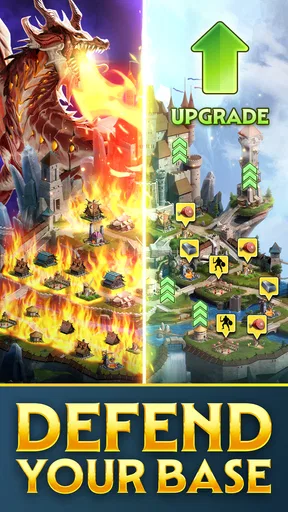
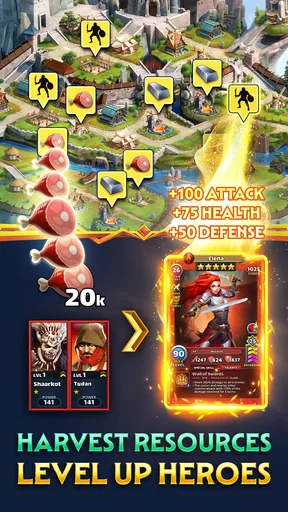
The tutorial is pretty comprehensive, helping you get a grip on the basics. You start by building your stronghold, which is your home base. From there, you gather resources like food and iron, which are crucial for upgrading your buildings and leveling up your heroes.
The Match-3 Mechanics
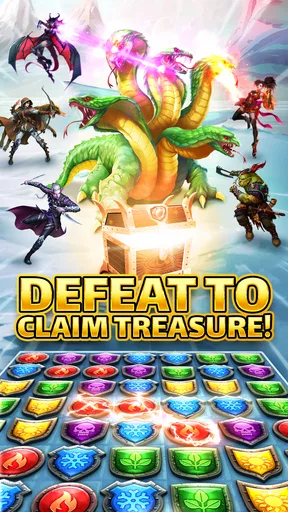
Now, let’s talk about the heart of the game – the match-3 puzzles. These aren’t your ordinary candy crush type puzzles. Here, every match you make sends your heroes into battle. The colors you match correspond to different heroes, who then unleash attacks on the enemy. It’s like chess meets Bejeweled, but with more explosions and magic spells.
One thing I love is how strategic it becomes. You can’t just mindlessly match tiles; you need to think about which enemies to target and which heroes to power up. It’s all about making the right moves at the right time.
Building Your Team
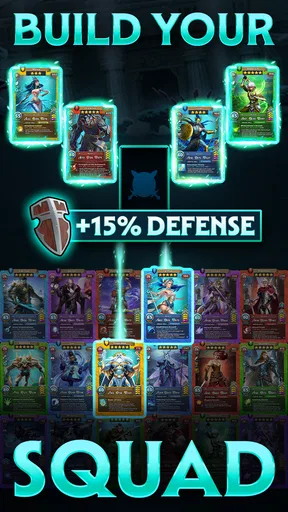
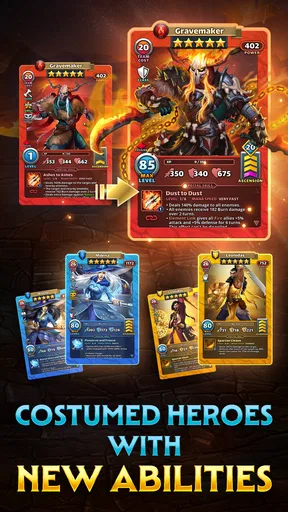
Recruiting heroes is another exciting aspect. There are hundreds of heroes to collect, each with unique abilities and elemental attributes. You’ve got your tanks, healers, and damage dealers. The fun part is figuring out the best combinations to tackle different challenges. Trust me, once you start collecting, it’s hard to stop. You’ll find yourself wanting to summon just one more hero.
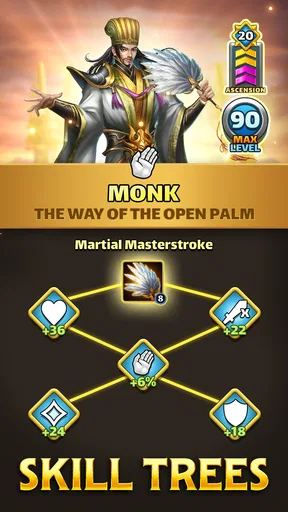
Hero leveling and ascension add depth to the game. You gather experience points and special items to make your heroes stronger. It's rewarding to see your ragtag team of basic heroes evolve into a formidable force.
Alliance Wars and Raids
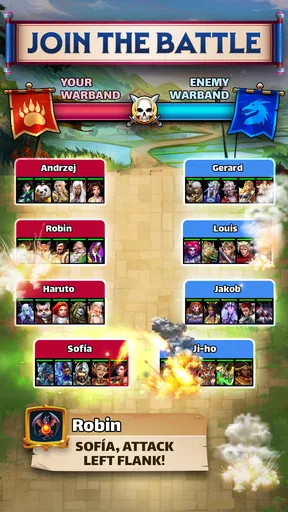
Empires & Puzzles isn’t just a solo affair. You can join alliances, which opens up a whole new level of gameplay. Alliance wars let you team up with others to take on massive battles. The camaraderie and strategy involved are a blast, and winning together feels incredibly satisfying.
Then there are raids, where you pit your team against other players. It’s nerve-wracking but thrilling to see how your strategies stack up against real opponents. You win trophies and climb the leaderboard, which is a nice touch for the competitive spirits among us.
I would treat these activities as an optional social layer rather than a requirement for enjoying every part of the game. If competition motivates me, raids and alliance play can add stakes beyond the puzzle board. If I want a quiet, solo experience, I can focus on battles and development instead. The trade-off is that the shared side will matter less if I do not want to engage with other players.
Graphics and Soundtrack
Visually, Empires & Puzzles doesn’t disappoint. The graphics are vibrant, with beautifully designed heroes and landscapes. Each battle feels dynamic and alive. The soundtrack complements the action, adding an epic feel to your adventures. It’s one of those games where I actually keep the sound on; it’s that good.
For a puzzle game, the presentation helps sell the connection between a move and its impact in battle. Still, I would not pick it mainly for spectacle: the lasting appeal is more about matching thoughtfully and shaping a team than watching effects. If I want a pure puzzle challenge with no roster decisions, a traditional match-3 game is the more direct option. If I want an RPG where combat is not tied to tile matching, a more combat-focused game may suit me better.
Final Thoughts
So, is Empires & Puzzles: Match-3 RPG worth your time? Absolutely. It’s a fantastic blend of strategy, puzzle-solving, and RPG elements. Whether you’re looking to fill a few minutes or dive into extended gaming sessions, this game has something for everyone.
With frequent updates and events, there’s always something new to explore. It keeps the gameplay fresh and exciting, ensuring you never get bored. If you haven’t tried it yet, I’d highly recommend giving it a shot. Who knows, you might just find yourself hooked like I did!
That recommendation comes with a clear qualification: I would try it if I enjoy a puzzle that feeds into longer-term team building, not if I want a straightforward sequence of boards with minimal management. It is a free puzzle game from Small Giant Games, rated for Everyone 10+, and its 4.5 average from around 2.4 million ratings reflects a large audience for this particular mix. It has passed 50 million installs, but that reach does not mean its layered progression will suit every player.
The version is 83.0.0, and the game first appeared on March 1, 2017. Those details place it among established titles rather than a brand-new experiment, so I would expect the experience to be shaped by a substantial ongoing game structure. I would go in ready to learn the connected systems gradually instead of expecting the opening tutorial to explain every strategic choice I will face later.
My clearest advice is to start with a modest goal: learn how tile colors translate into attacks, build a balanced team from the heroes available to you, and upgrade with a purpose. If those decisions make ordinary battles more interesting, the game has room to become a regular part of your routine. If they start to feel like obligations, there is no need to force it; a simpler match-3 alternative will likely be a better use of your time.
Pros
- Engaging match-3 gameplay with RPG elements.
- Frequent updates keep content fresh.
- Alliance features encourage teamwork.
- Stunning graphics and animations.
- Strategic depth in hero collection and battles.
Cons
- Energy system limits playtime.
- In-app purchases can be pricey.
- Requires constant internet connection.
- Some heroes are hard to obtain.
- Progression can be slow without spending.
FAQs for Empires & Puzzles: Match-3 RPG
What is the main gameplay mechanic in Empires & Puzzles: Match-3 RPG?
Empires & Puzzles combines classic match-3 puzzle mechanics with RPG elements. Players match three or more tiles to attack enemies and build mana for special hero abilities. The strategy involves choosing the right heroes and matching tiles to maximize damage and effectiveness in battles.
Is Empires & Puzzles free to play, and are there in-app purchases?
Empires & Puzzles is free to download and play, but it offers in-app purchases. These can enhance the gaming experience by providing items like gems, energy refills, and special heroes. Players can enjoy the game without spending money, though purchases can accelerate progress.
Can I play Empires & Puzzles offline?
No, Empires & Puzzles requires an internet connection to play. The game features online elements such as alliances, player versus player battles, and frequent updates, all of which necessitate a stable internet connection for an optimal gaming experience.
How does the hero system work in Empires & Puzzles?
Players can collect a wide variety of heroes, each with unique abilities and stats. Heroes can be leveled up and ascended to improve their power. Strategy comes into play as players must select the right combination of heroes to complement their playstyle and tackle different challenges.
What are alliances in Empires & Puzzles, and how do they benefit players?
Alliances are groups of players who team up to take on powerful titans and participate in alliance wars. Being part of an alliance provides access to exclusive rewards and the opportunity to collaborate with other players for strategic victories and shared achievements.


